Fresh Foam X More V6 Honest Review — Is the Hype Justified?
Introduction
I've been wearing the Fresh Foam X More V6 as my go-to daily trainer for the last six months. I bought them with the intention of finding a pair that would make long recovery runs less punishing and double as comfortable shoes for long days on my feet. After roughly 350 miles of mixed running (pavement, treadmill, and a few light trail detours) and everyday wear, I feel comfortable writing an honest, detail-oriented review of what this shoe really delivers — beyond the marketing photos and launch hype.
Why I picked the More V6
My running shoe rotation had leaned toward highly cushioned models for a while, and the More V6 caught my eye because it promised maximum Fresh Foam X cushioning while keeping a relatively predictable ride. I wanted something soft and protective for long, slow efforts and occasional treadmill workouts. In my experience, shoes that advertise "maximum cushion" can either be cloud-like and wonderful or soupy and imprecise; I wanted to see which side the More V6 landed on.
Design and Build Quality
Right out of the box the More V6 feels like a plush loaf of foam — deliberately bulky but not sloppy. The upper uses a knit-like engineered mesh that feels durable enough for the miles I've put on them. I appreciated small design touches like a reinforced toe bumper and a well-shaped heel counter that locks the foot in without creating pressure points. The collar is lightly padded and didn't rub even on longer runs.
Construction-wise I noticed clean glue lines and consistent stitching. After six months, the upper has held together well with only a little piling where the tongue rubs against my laces. The midsole shows typical compression creasing in the forefoot (especially after heavy treadmill sessions), but there were no major chunks or delamination issues — a sign that New Balance didn't skimp on materials.
Fit and Sizing
For context, I normally wear a US men's 9.5 running shoe. I purchased the same size in the More V6 and found the fit to be generally true to size. The toe box is relatively roomy front-to-back, which I appreciated on longer runs when my feet naturally swell. The midfoot is slightly snugger, giving a sense of containment that prevented lateral slippage.
Two fit notes I think matter for potential buyers:
- Toe box: If you prefer a very narrow toe box, the More V6 might feel generous. I liked the extra room for long runs, but it can feel a touch cumbersome for sharper, quicker efforts.
- Volume: People with very narrow feet may need to tighten the lacing more or consider a half-size down if they want a more locked-in feel; I found the standard lacing setup adequate with no need for special lace tricks.
Cushioning and Ride
What most buyers care about with the More V6 is the midsole — and that's where this shoe both shines and shows its tradeoffs. The Fresh Foam X compound used in the midsole is luxuriously soft. On easy, slow-paced runs I genuinely felt like I was stepping on pillows: impact was muted, and fatigue in my shins and knees was noticeably reduced compared to firmer trainers in my rotation.
That said, the softness comes with a certain level of mushy feel. The shoe doesn't provide a snappy, energetic toe-off — it's more about protection and comfort. If you're chasing fast tempos or quick turnover, you'll notice the shoe lags behind more responsive trainers. For me, it made sense as a recovery and mileage shoe rather than a performance race day pick.
The rocker geometry helps shift the foot forward and reduces the feeling of bogginess. I appreciated how the rocker and thick foam smoothed out my gait on runs of 10–15 miles, turning each step into a gentle, consistent motion instead of the jolt/compensate pattern I sometimes get in lower-stack shoes.
Shop the latest Electronics picks on Amazon.
Browse Now →Stability and Support
Despite the high stack, I never felt unstable in the More V6. The platform is broad, and New Balance added enough structure to prevent an exaggerated medial roll. I tested the shoe on a few uneven sidewalks and light off-road sections; the combination of wide base and predictable foam compression kept me confident. If you're prone to severe overpronation and need corrective guidance, this isn't a motion-control shoe — but for most neutral to slightly overpronating runners it's stable enough for daily use.
Durability and Outsole Wear
Durability has been one of the pleasant surprises. After 350 miles, my pair still has a lot of foam left and the outsole rubber — while not indestructible — has held up reasonably well. I noticed more wear on the lateral forefoot, which matches my running gait, but the exposed foam hasn't worn through. The rubber coverage is concentrated in high-impact zones, and while I did start to see a shallow polishing of the foam on the heel after a few months, there hasn't been any hole development.
On the flipside, the softer midsole means the shoe will compress sooner than firmer rivals. Mine shows visible compression marks on the forefoot and heel, which is normal for this foam density. Expect to get excellent comfort for the first 200–300 miles and then a gradual softening in how the foam returns energy.
Real-World Performance — Where This Shoe Excels
Here are the use cases where the More V6 really delivered for me:…- Long recovery runs: The cushioning protects my legs on back-to-back easy days; I reached 12–15 mile recovery runs without noticing the usual accumulated soreness.
- Walking and travel: I took them on a city trip and appreciated the plush ride while walking eight to ten miles a day; my feet were less tired at the end of the day compared to other sneakers.
- Treadmill sessions: The soft midsole made treadmill intervals easier on my joints during high-volume weeks, though I preferred something firmer for short, speedy intervals.
Where It Falls Short
There are a few real annoyances I encountered that an honest buyer should know about:
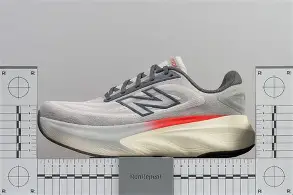
- Weight: The More V6 is noticeably heavier than many modern trainers. On fast efforts the weight becomes evident, so I avoided it for tempo runs or races.
- Responsiveness: If you want a lively, energetic ride, this is not your pick. The foam soaks up energy rather than returning it efficiently.
- Wet traction: The outsole can feel slippery on wet road paint or smooth stones. I was cautious in rainy conditions.
Pros & Cons
- Pros
- Exceptionally comfortable, protective cushioning for long runs and recovery days
- Roomy toe box that accommodates foot swelling on long efforts
- Stable platform despite a high stack height
- Strong upper durability; no major wear after hundreds of miles
- Cons
- Heavier than many performance trainers — not ideal for speed work
- Soft foam results in a less responsive, mushier feel at faster paces
- Outsole traction can be mediocre in wet conditions
- Midsole compression becomes noticeable after several months of heavy use
Comparison Table
| Model | Cushioning | Weight (approx) | Best for | My Take |
|---|---|---|---|---|
| Fresh Foam X More V6 | Very plush, full-length Fresh Foam X | Heavier — noticeably chunky on foot | Recovery runs, long easy runs, walking | Great for protection and comfort; not for speed |
| Fresh Foam X More V5 | Similar plush feel but slightly less refined | Comparable; V6 feels marginally lighter | Same niche; V6 improves upper and ride smoothness | If you have V5, V6 is an iterative but welcome upgrade |
| Hoka Bondi (typical competitor) | Maximalist cushioning with firmer rebound | Light-to-moderate for a max cushion shoe | Long distances, daily training with slightly more pep | Bondi feels a touch more responsive; More V6 is plusher |
Buying Guide — How to Decide If the More V6 Is Right for You
Here are the practical things I looked at before deciding to buy, and the same checklist I recommend you use:
1. Know your primary use
If you want one shoe that does everything — speed, tempo, race day — the More V6 won't be that. In my experience, it's a specialist for comfort and recovery. Buy it if most of your runs are easy, long, or if you spend a lot of time walking and want protection. Skip it if you need a fast, reactive trainer.
2. Consider weight and pace goals
I pay attention to the pounds-per-mile of my rotation. The More V6 is heavier, so if you have tempo workouts or plan to race, pair it with a lighter shoe. If your weekly mileage calls for lots of slow miles and joint protection, the weight becomes a non-issue.
Shop the latest Electronics picks on Amazon.
Shop Amazon →3. Foot shape and fit
Try them on with the socks you'll run in. I liked the roomy toe box; if you have narrow feet, check that lacing gives you enough hold. If possible, run a short test loop to gauge heel lock and forefoot comfort — I adjusted my laces once and never looked back.
4. Durability expectations
If you expect to get 500+ miles out of a cushioned shoe, be realistic: very soft foam will eventually compress. From my usage, plan on excellent comfort for 200–300 miles, with diminishing return after that. Rotate with a firmer shoe if you want longevity without comfort compromise.
5. Traction needs
For frequent wet-weather runs or slippery surfaces, consider a shoe with more aggressive rubber coverage. The More V6 is fine in typical conditions but care is needed on slick surfaces.
6. Price sensitivity
Expect to pay near the higher end of the trainer spectrum for a maximal cushion shoe. If your budget is tight, prioritize models that match your run profile: you might get better value with less foam if you rarely run very long distances.
Practical Tips from My Experience
- Break them in with short runs for the first week — the upper can feel a little stiff initially.
- If you plan long runs, wear thicker socks the first few times to prevent heel slip.
- Rotate with a firmer trainer if you do a mix of recovery and moderate-tempo work; you'll get better mileage and a more balanced training stimulus.
- Clean the knit upper gently — a quick hand wash and air dry keeps the material pliable.
Conclusion
After six months and several hundred miles, here's my bottom line: the Fresh Foam X More V6 is an excellent, honest expression of what a maximal cushion daily trainer should be. In my experience it delivers on comfort, protection, and long-run friendliness in meaningful ways. The ride is plush, stable, and forgiving. The tradeoffs are clear and unavoidable — it's heavier and less responsive than race-oriented trainers, and the foam will show compression over time.
If your priority is comfort, recovery, and protecting tired legs, the More V6 is absolutely worth considering. If you want speed, snappiness, or a shoe for fast intervals, you'll be happier with a lighter, firmer trainer. For my personal rotation, the More V6 has earned a permanent spot as the shoe I lace up when I want my legs to feel sheltered and my runs to feel effortless.